
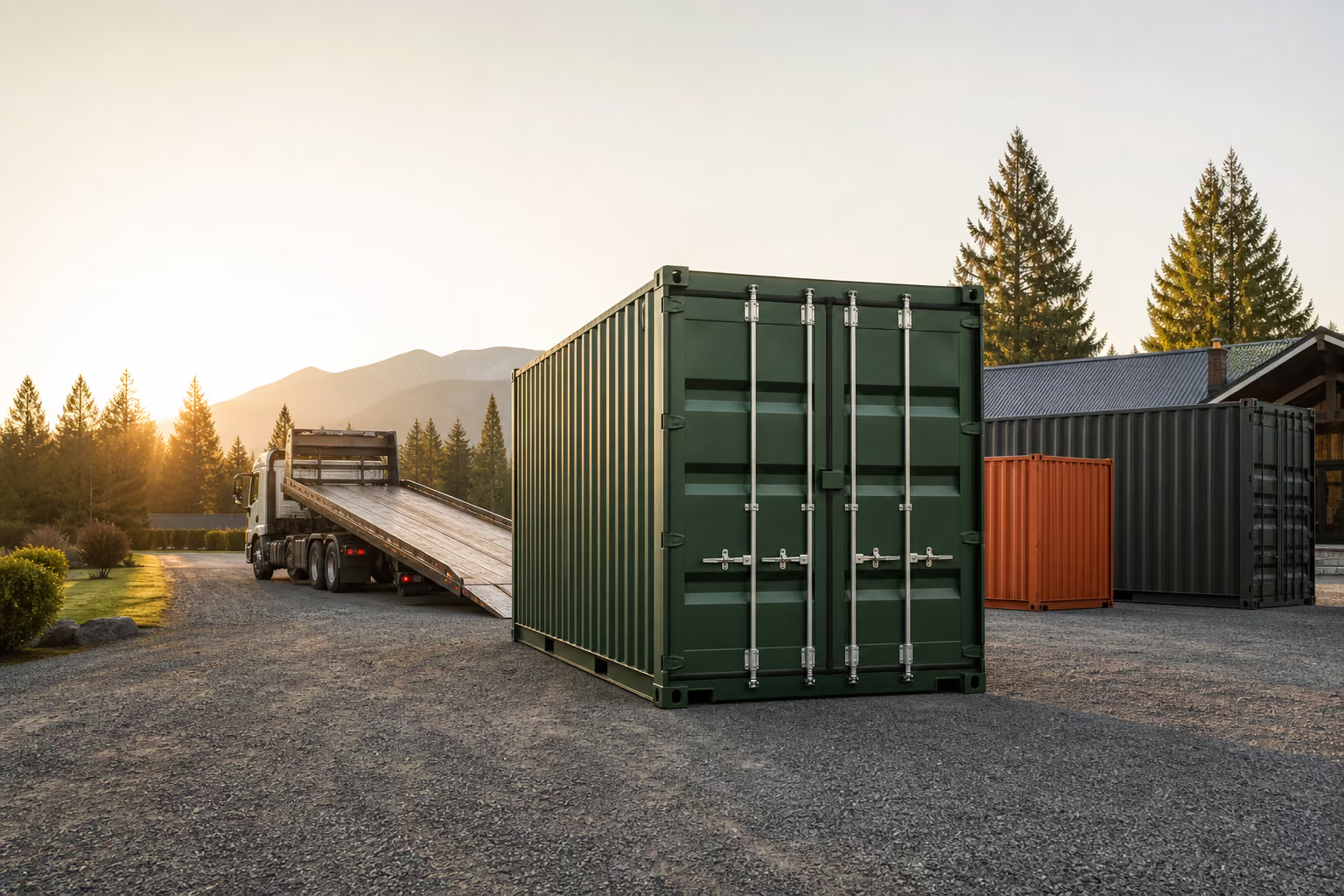



Yes, screw piles can often be used as a foundation for a sea can or shipping container home.
In fact, they can be a practical option for container-based houses, cabins, offices, studios, and other modular structures where a raised, engineered foundation is preferred.
Shipping containers are relatively compact, structurally strong, and often concentrate loads at their corners. That can make them well suited to foundation systems that provide support at specific structural points.
However, using screw piles for a shipping container home is not simply a matter of installing four piles and placing the container on top.
The correct number, size, depth, spacing, and capacity of the piles depends on the actual structure, the soil, the site, and how the container is being modified.
For larger or more complex projects, engineering is often an important part of the process.
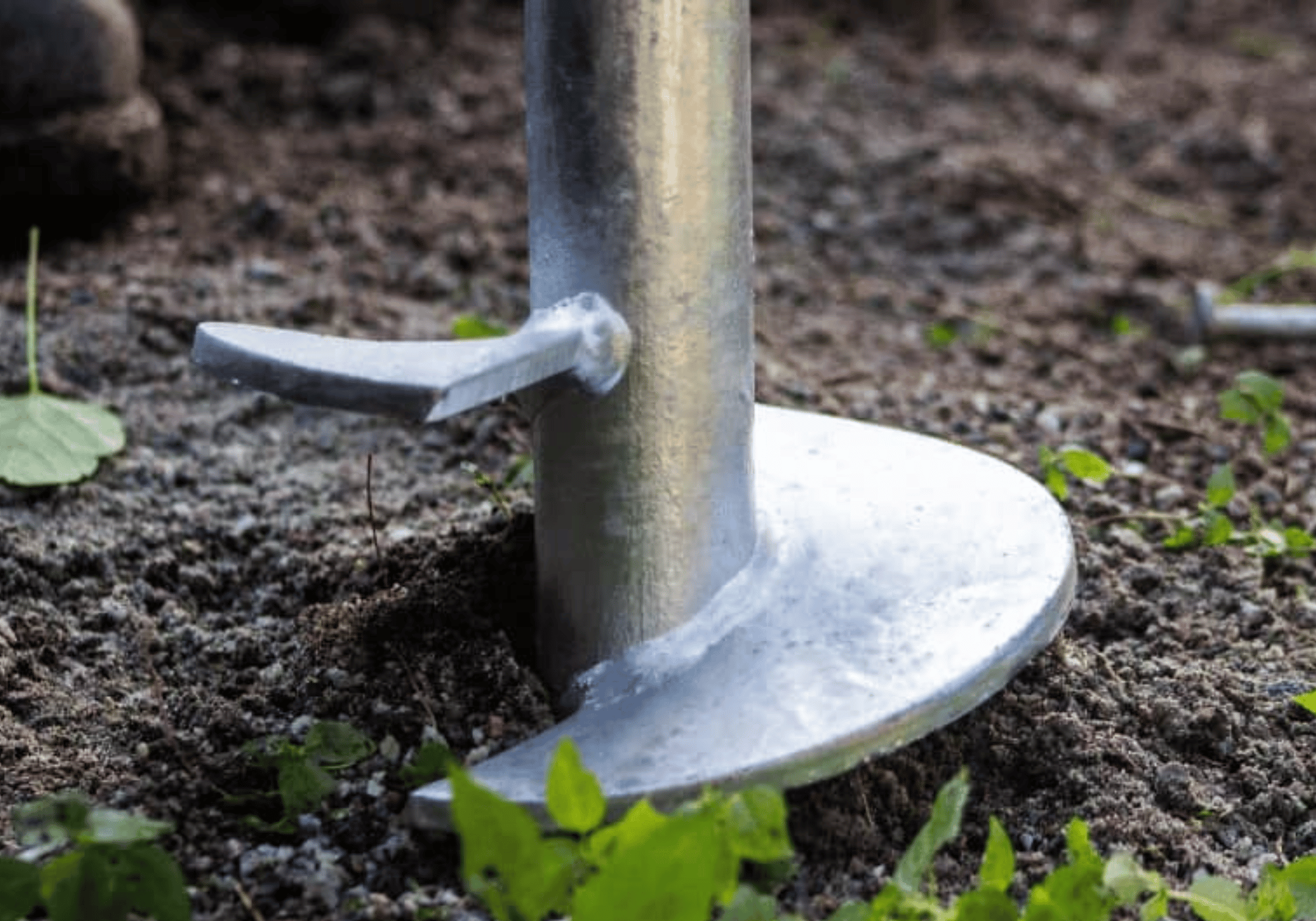
Screw piles are deep foundation elements that are installed into the ground by rotating them into the soil.
They typically consist of:
As the pile is installed, the helices advance into the ground and transfer structural loads into suitable soil.
Depending on the design, screw piles can support a wide range of structures.
They are commonly used for:
Yes.
A shipping container can be supported on screw piles if the system is properly designed for the loads and site conditions.
For a simple single-container project, the piles may be located near or beneath the main structural load points.
For more complex structures, additional piles may be needed.
That could include projects with:
The foundation design needs to reflect the final building, not just the weight of the empty sea can.
Shipping containers and screw piles can work well together for several reasons.
Shipping containers transfer a significant portion of their structural load through their corners and frame.
Screw piles can be positioned at specific locations to support those concentrated loads.
This can create a direct load path between the container and the ground.
Traditional foundation systems may require:
Screw piles can often be installed with less excavation.
That can make them appealing for:
Depending on site conditions and project size, screw piles can often be installed relatively quickly.
There is also no concrete curing period.
Once the piles and structural connections are complete, construction can often continue sooner than with some conventional foundation systems.
Many shipping container homes are elevated above grade.
This can help create space beneath the building for:
A raised structure may also reduce direct contact between the steel container and wet ground.
Screw piles can be especially useful where the ground elevation varies across the building footprint.
Rather than excavating extensively to create a level pad, piles can potentially be installed to support the structure at the required elevations.
The final design still needs to account for lateral stability and load transfer.
There is no universal number.
A simple project might require fewer piles, while a larger or modified container structure may require many more.
The number depends on factors such as:
A 20-foot container and a two-storey multi-container house are very different foundation projects.
Possibly, but that should not be assumed.
Four-corner support may work for some lightly loaded applications, but the actual foundation requirements depend on the completed structure.
Once the container is converted into a home, it may include:
All of this adds load.
Large wall openings can also change how the container distributes forces.
Yes, but longer containers may require intermediate support depending on the design.
A 40-foot container may experience different bending and settlement behaviour than a smaller container.
The foundation layout may include support at:
The pile layout should reflect the actual load path.
Screw piles can also be used for multi-container homes.
The foundation becomes more complex when containers are:
The structural loads may no longer be concentrated only at the original corners.
Additional beams or structural framing may be used to transfer loads to the piles.
Potentially, yes.
But the pile capacity and structural design need to account for the additional loads.
A second storey introduces:
The foundation system may require larger piles, more piles, or deeper installation depending on the site.
In colder climates, snow can add significant weight to a shipping container home.
This is especially important if the project includes:
The screw pile foundation needs to support the entire completed structure, including environmental loads.
They can be.
Screw piles are often used in colder regions because they can be installed below frost-affected soils when properly designed.
This can help reduce movement caused by freeze-thaw cycles.
However, frost conditions vary by site.
Pile depth and design should reflect local soil and climate conditions.
Screw piles can work in many soil types, but not every site is the same.
Installation and capacity can be influenced by:
Site conditions should be considered before installation.
Some properties may require additional investigation or engineering.
For permanent homes and more complex structures, engineering may be required or strongly recommended.
An engineer can help determine:
The screw pile installer and structural engineer should ideally coordinate before installation.
The exact connection depends on the project.
Possible methods may include:
The goal is to transfer loads safely from the container into the piles.
Connections also need to account for movement, uplift, and lateral forces where applicable.
In some cases, a direct connection may be possible.
In others, a steel beam system may be installed across the piles.
The beam system can help:
The final approach depends on the design.
A raised pile foundation can help keep the container above surface water.
This can be useful on sites where moisture is a concern.
Keeping the container elevated can help reduce exposure to:
Good site drainage is still important.
Yes.
A raised container structure may provide space for:
This can make maintenance easier.
However, utilities still need to be protected from freezing and physical damage where applicable.
Yes.
They may be suitable for smaller sea can projects such as:
The foundation requirements may be simpler than for a full house, but they should still reflect the actual structure and site.
Both systems can work.
The best choice depends on the project.
Neither system is automatically better for every project.
If you are still sourcing the container itself, SeaCansForSale.ca can help you find new and used shipping containers from suppliers serving communities across Canada.
Whether you are looking for a seas can for sale, a 20-foot shipping container, a 40-foot container, or several containers for a larger modular structure, it is helpful to identify the containers before the foundation design is finalized.
The container size, layout, condition, and intended modifications can all influence the pile design.
Before buying a used container for a home or permanent structure, inspect it for:
Starting with a container in better condition can make both the structural and foundation design more straightforward.
It is a good idea to speak with a screw pile contractor early if you are planning:
Screw Pile Installers can help assess whether screw piles are suitable for the project and coordinate the installation requirements with the structural and foundation design.
For larger or permanent structures, the process may involve both a screw pile installer and a structural engineer to ensure the piles, connections, and building loads are properly accounted for.
Screw piles can be an excellent foundation option for sea can and shipping container homes.
They can provide targeted structural support, reduce excavation, work well with raised buildings, and be practical for sloped or difficult sites.
But the foundation should be designed around the finished building, not just the empty shipping container.
Container size, number of containers, structural modifications, snow loads, soil conditions, and connection details all influence the final pile layout.
If you are planning a shipping container home, cabin, office, or modular building, involving a qualified screw pile installer early can help determine whether the system is appropriate and what foundation design will be needed.
And if you are still looking for the right container, SeaCansForSale.ca is a useful place to find sea cans and shipping containers available from suppliers across Canada.

.svg)
.svg)
.svg)
.svg)

.svg)

.svg)



.svg)