




Screw piles can be a good option for carports in BC and Alberta when the layout accounts for loads, soil, frost, water, slope, access, bracket details, and documentation. The site still needs to be reviewed before assuming a standard pile layout will work.
Most homeowners are trying to decide whether screw piles make sense for a real project, not a textbook example. The useful answer depends on the ground below the structure, the load path above it, and the records needed to build with confidence.
For garages and carports, the foundation has to account for wall lines, door openings, slab or floor details, roof loads, wind exposure, and the way vehicles or storage loads affect the structure. The pile heads and beams need to line up with the structural load path, not simply with convenient spots in the driveway or yard.
The useful answer is site-specific. Screw piles are flexible, but the right layout comes from matching the structure, soil, frost exposure, access, bracket details, and documentation requirements.
Screw Pile Installers typically looks at the structure type, approximate dimensions, beam or wall locations, soil conditions, drainage, frost exposure, equipment access, utility locates, bracket requirements, and whether the municipality or builder needs documentation.
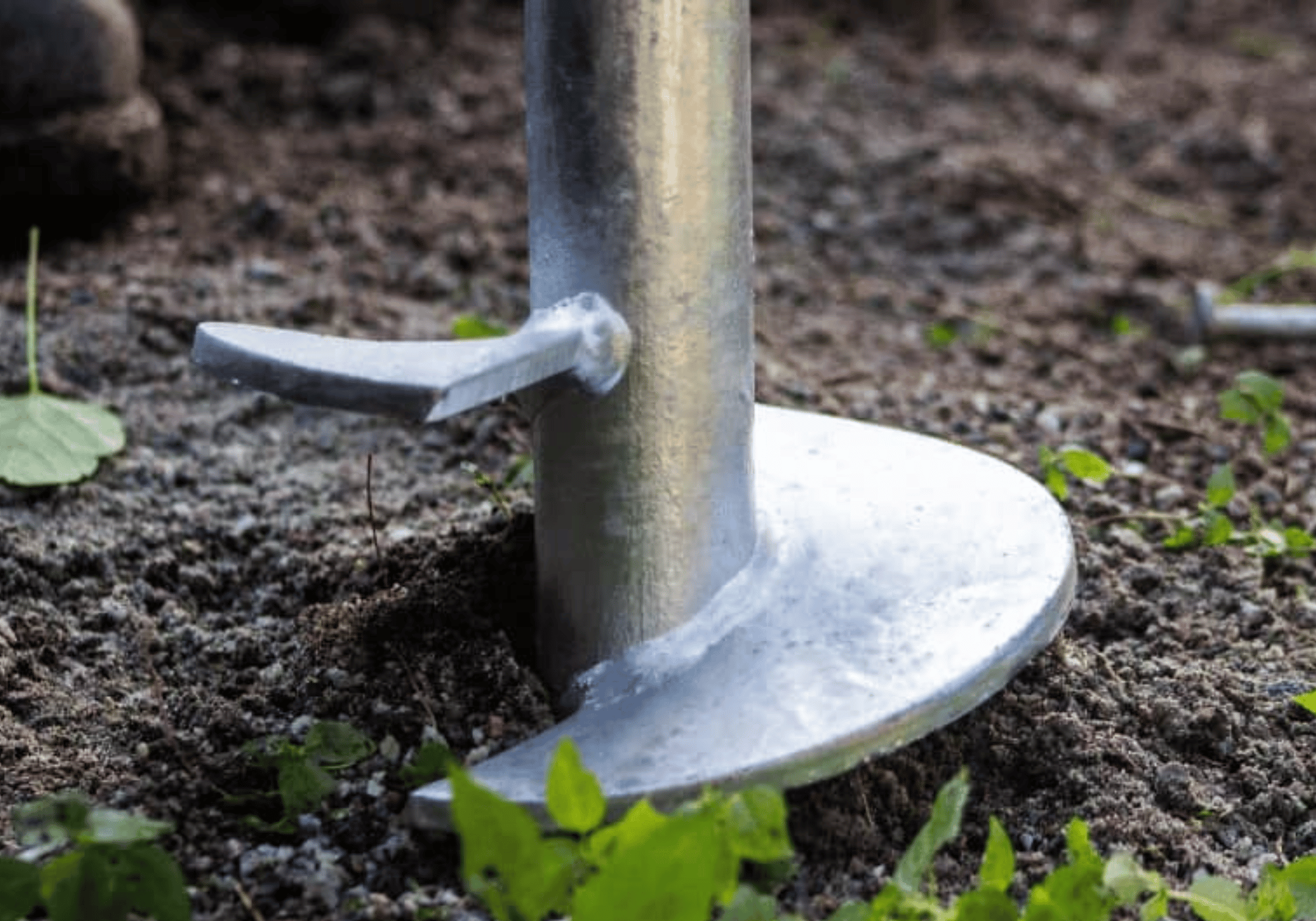
The pile itself is only one part of the foundation. The bracket, beam or wall connection, installation resistance, pile location, drainage around the work area, and future movement risk all affect whether the finished support system performs well.
BC and Alberta create different foundation problems, but both reward careful planning. BC projects often involve rain, slopes, rock, drainage, and tight urban access. Alberta projects often involve frost, clay, snow load, wind exposure, and wider seasonal swings. A good screw pile plan takes those regional differences seriously before the framing layout is locked in.
Permit and documentation requirements vary by municipality and by project type. A small freestanding structure may need less documentation than an attached deck, garage, addition, suite, or foundation repair. Useful records can include a pile layout, bracket details, engineered drawings or letters, torque logs, installation photos, utility locate records, and warranty information.
If a permit or stamped review is needed, it is better to know that before the pile layout is installed. That gives the homeowner, builder, installer, and engineer a chance to agree on the support locations, connection details, and records that should be kept.
The common mistake is choosing a pile layout before the loads, soil, frost exposure, access, brackets, and documentation requirements are clear. Screw piles are efficient, but they still need project-specific planning.
Another mistake is assuming that a neighbour's project answers the question for your property. Two yards can look similar and still have different soil, frost exposure, drainage, access, loads, or municipal requirements.
Screw piles are versatile, but they are not the answer for every site. Continuous shallow bedrock, unknown underground utilities, severe drainage problems, unstable slopes, inaccessible work areas, or unusual lateral loads may require a different foundation detail or additional engineering. A good assessment should identify those issues early rather than forcing a pile solution where it does not belong.
Useful information includes the property address, photos of the work area, rough dimensions, drawings or sketches, the structure type, access notes, slope or drainage concerns, permit status, and anything known about soil, fill, rock, utilities, or previous foundation movement. Photos should show both close-up details and the wider access route into the yard.
Yes. The pile layout still needs to reflect local frost, soil, water, slope, access, and documentation requirements.
Engineering is commonly used when the structure is attached, elevated, heavy, part of a permit, located on difficult soil, or connected to a repair.
Contact Screw Pile Installers before the layout is finalized, especially if the project involves permits, frost, wet ground, slopes, rock, repair work, or tight access.
Send the property address, photos, rough dimensions, drawings or sketches, access notes, permit status, and any known soil, drainage, slope, or foundation issues.
If you are planning a screw pile project involving carports in BC and Alberta, send Screw Pile Installers the property address, photos, rough dimensions, drawings if you have them, and any notes about access, soil, slope, drainage, or permits. Request a quote from Screw Pile Installers for your screw pile project and the team can review the foundation approach before the layout is locked in.

.svg)
.svg)
.svg)
.svg)

.svg)

.svg)


.svg)